
Psicoterapia Cognitivo-Comportamental (TCC)
Uma abordagem científica, estruturada e profundamente humana para transformar padrões de exaustão, ansiedade e vulnerabilidade cognitiva em clareza existencial e autonomia.
Atendimento Online Desde 2001
Acompanhamento terapêutico ético para brasileiros no Brasil e no exterior.
- Eficácia clínica comprovada cientificamente
- Plataforma virtual 100% criptografada e segura
- Foco em reestruturação cognitiva e qualidade de vida
- Escuta atenta unindo psicologia, ética e sensibilidade
Entenda a Terapia Cognitivo-Comportamental
A TCC parte do princípio de que não são os eventos em si que nos perturbam, mas a forma como os interpretamos através das nossas lentes mentais.
O Modelo Cognitivo
Nossos pensamentos, emoções e comportamentos estão intimamente interconectados. Quando vivenciamos momentos de estresse prolongado ou esgotamento, nossos pensamentos automáticos tendem a se tornar rígidos e distorcidos.
A TCC oferece um método prático e colaborativo para identificar esses padrões de pensamento e testar a sua validade, permitindo que você desenvolva respostas emocionais mais equilibradas e saudáveis.
A Vulnerabilidade Cognitiva
Sob a perspectiva da vulnerabilidade cognitiva, cada indivíduo possui esquemas de crenças centrais formados ao longo da vida. Diante de gatilhos contemporâneos — como o cansaço crônico e a sobrecarga de trabalho —, essas vulnerabilidades podem ser ativadas.
Na terapia, trabalhamos juntos para reestruturar essas vulnerabilidades, transformando crenças limitantes em esquemas adaptativos de resiliência e clareza.
Em quais momentos a TCC pode transformar sua vida?
Processos terapêuticos desenhados para acolher e reestruturar dores emocionais do mundo moderno.
Cansaço Crônico & Burnout
Para quem percebe que a esperança adoeceu diante de uma exaustão contínua, onde o trabalho passou a ocupar todo o espaço vital.
Ansiedade & Sobrecarga
Gerenciamento de preocupações excessivas, ruminação mental, crises de ansiedade e a sensação constante de urgência sem pausa.
Adaptação & Vida no Exterior
Apoio especializado para expatriados e brasileiros que enfrentam o isolamento cultural, saudades e desafios de adaptação em outros países.
Reestruturação Existencial
Reorganização de prioridades, resgate de valores pessoais, limites saudáveis nas relações e busca de sentido prático para o cotidiano.
Como funciona o processo de terapia online
Um percurso estruturado em etapas claras, respeitando seu ritmo e suas necessidades individuais.
Acolhimento & Avaliação
Mapeamos suas queixas principais, histórico recente e definimos juntos os alvos terapêuticos mais urgentes.
Conceitualização Cognitiva
Identificamos os gatilhos, pensamentos automáticos e esquemas de crenças que sustentam o ciclo de sofrimento.
Intervenção Prática
Aplicamos técnicas cognitivas e comportamentais validadas, com exercícios práticos entre as sessões para consolidar mudanças.
Autonomia & Prevenção
Você desenvolve habilidades para se tornar seu próprio terapeuta, prevenindo recaídas e mantendo o equilíbrio no longo prazo.
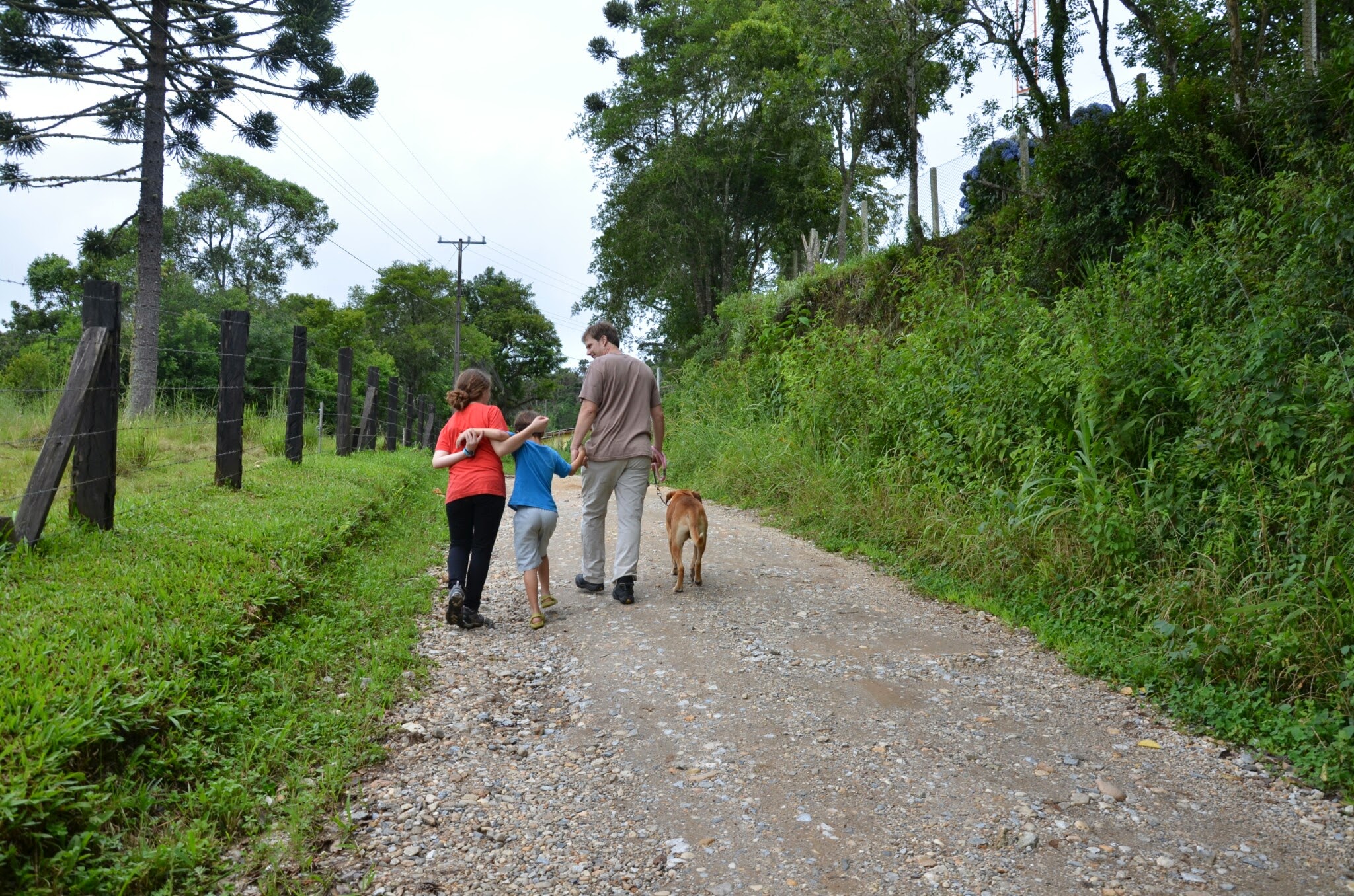
Por que realizar sua TCC com Raul Buchi?
Atuando como psicoterapeuta cognitivo-comportamental desde 2001, acumulo mais de duas décadas de escuta atenta e prática clínica contínua.
Minha abordagem une o rigor científico da TCC à sensibilidade artística da fotografia (o cuidado com a luz e o enquadramento do olhar) e à estabilidade da vida na Suíça. Essa convergência permite um atendimento calmo, seguro e focado naquilo que realmente importa.
As sessões são realizadas em salas virtuais criptografadas, garantindo total sigilo profissional e flexibilidade para atender você onde quer que esteja no mundo.
Agende sua Sessão de Descoberta Online
Ofereço uma Sessão de Descoberta Online de 20 minutos. É um momento de acolhimento gratuito para nos conhecermos, compreendermos seu momento atual e alinharmos como a TCC pode ajudar você.
Agendar Sessão Gratuita pelo WhatsAppPerguntas Frequentes sobre a TCC
Respostas transparentes sobre o funcionamento das consultas clínicas virtuais.
A TCC online realmente possui a mesma eficácia da presencial?
Sim. Inúmeros estudos científicos internacionais comprovam que a Psicoterapia Cognitivo-Comportamental realizada por videoconferência oferece resultados idênticos aos do formato presencial, com a grande vantagem de evitar deslocamentos e permitir que você realize suas sessões no conforto do seu espaço privativo.
Qual é a duração e a frequência típica das sessões?
As sessões de psicoterapia têm duração média de 50 minutos e ocorrem semanalmente. À medida que os alvos terapêuticos vão sendo alcançados e você desenvolve maior autonomia, o espaçamento entre as consultas pode ser ampliado de forma gradual.
Qual a diferença entre a TCC e o Coaching de Transformação?
A TCC é uma modalidade de psicoterapia clínica voltada ao tratamento de transtornos emocionais, angústias, depressão, ansiedade e reestruturação de esquemas psicológicos profundos. O Coaching é um processo não-clínico e focado em metas objetivas do presente para o futuro. Durante a nossa Sessão de Descoberta, identificamos qual das duas vias é a mais adequada para o seu caso.
Como é garantido o sigilo da consulta online?
O sigilo profissional é rigorosamente mantido conforme o Código de Ética. Todas as consultas virtuais são realizadas por meio de plataformas corporativas criptografadas ponta a ponta (como Google Meet ou Zoom), em salas protegidas por senha e sem nenhum tipo de gravação.